Lifting gear detentions rarely come from a crane that visibly failed. They come from a register that cannot show the crane was examined when it should have been. The document is the control.
The register is the thing being inspected
Ship’s lifting appliances and loose gear are covered by ILO Convention No. 152, and the evidence lives in the Register of Lifting Appliances and Loose Gear. An inspector opening that register is looking for two things: an examination entry inside the previous twelve months, and a thorough examination with proof load test inside the previous five years. A gap in either is a finding regardless of the condition of the equipment.
The cycle in practice
- ■ Before first use. Testing and certification before the appliance or item of loose gear enters service.
- ■ Pre-use inspection. Routine visual checks by the crew, ongoing.
- ■ Every twelve months. Thorough examination, including loose gear, recorded in the register.
- ■ At least every five years. Retest of the lifting appliance, with proof load, and thorough examination.
What a proof load test involves
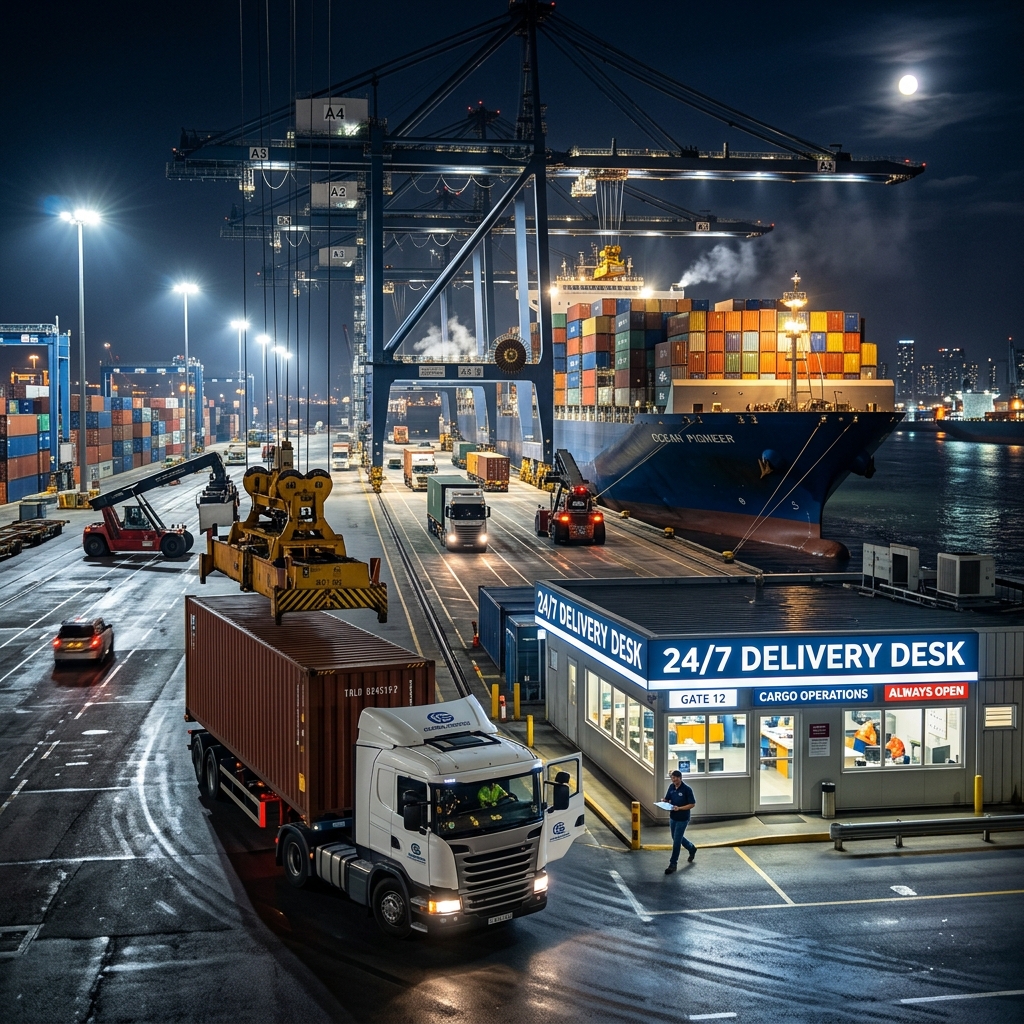
It is not a static hang. For cranes, the test load is hoisted, slewed and luffed at slow speed through the working range. Gantry and travelling cranes, together with their trolleys, are traversed and travelled over the full length of their track. The point is to load the structure and the machinery through the motions it actually performs, not simply to prove it can hold weight.
Who is allowed to sign
Examination and testing must be carried out by a competent person, and competence here is a formal status rather than a judgement about experience — typically approval from a maritime authority or a recognised body, with the relevant category for the appliance being examined. A thorough examination signed by someone without that standing is not worth the ink, and will be treated accordingly at inspection.
Where the gaps usually appear
- ■ Loose gear replaced during a voyage and never entered in the register
- ■ Certificates held ashore by a manager and not aboard the vessel
- ■ A five-year test that slipped while the vessel was trading, with no interim entry
- ■ Shackles, slings and blocks in use with no traceable certification at all
The pattern is administrative rather than mechanical. Equipment gets replaced under operational pressure and the paperwork follows late, or not at all.
Where MARSEA fits — and where it does not
To be clear about scope: MARSEA does not carry out lifting appliance certification or issue ILO 152 examination entries. That work belongs to an approved competent person, and any supplier telling you otherwise is worth a second question.
What we do supply is the consumable and replacement side of the same system — deck stores, wire and cordage, shackles, blocks and safety equipment — catalogued to IMPA and ISSA item codes so that what arrives can be matched against what the register and the certificates describe. If you are replacing loose gear before an examination, send the requisition with the port and ETA and we will confirm what can be delivered against the call.